
Zhydychyn Monastery is not just buildings, it is a thousand-year history of holiness, struggle, and rebirth. Every stone here breathes the prayer of generations of monks who created the spiritual stronghold of Volyn. We invite you on a journey through time.
Chronology of Events
First Mention
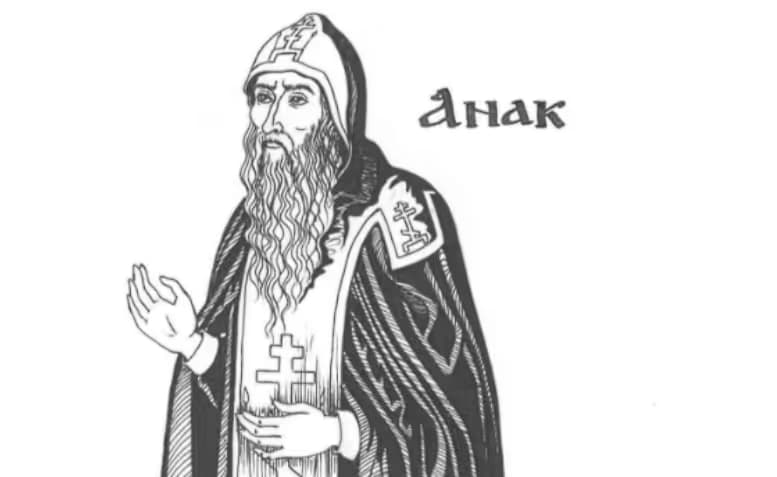
Archimandrite Anekt of Zhydychyn presents the Altar Gospel to the church in Zhydychyn.
Zhydychyn Monastery is one of the oldest monasteries in Ukraine: Basilian chronicles mention the abbey under the year 975 — thirteen years before the Baptism of Rus (988). At that time Archimandrite Anekt donated an Altar Gospel to the Zhydychyn church. Its existence before the Baptism is linked to the boundary of the Moravian eparchy that ran along the Styr River. In 2025 the monastery marked the 1,050th anniversary of its first mention. Today Zhydychyn is among the oldest holy sites of Volhynia.
Visit of King Danylo
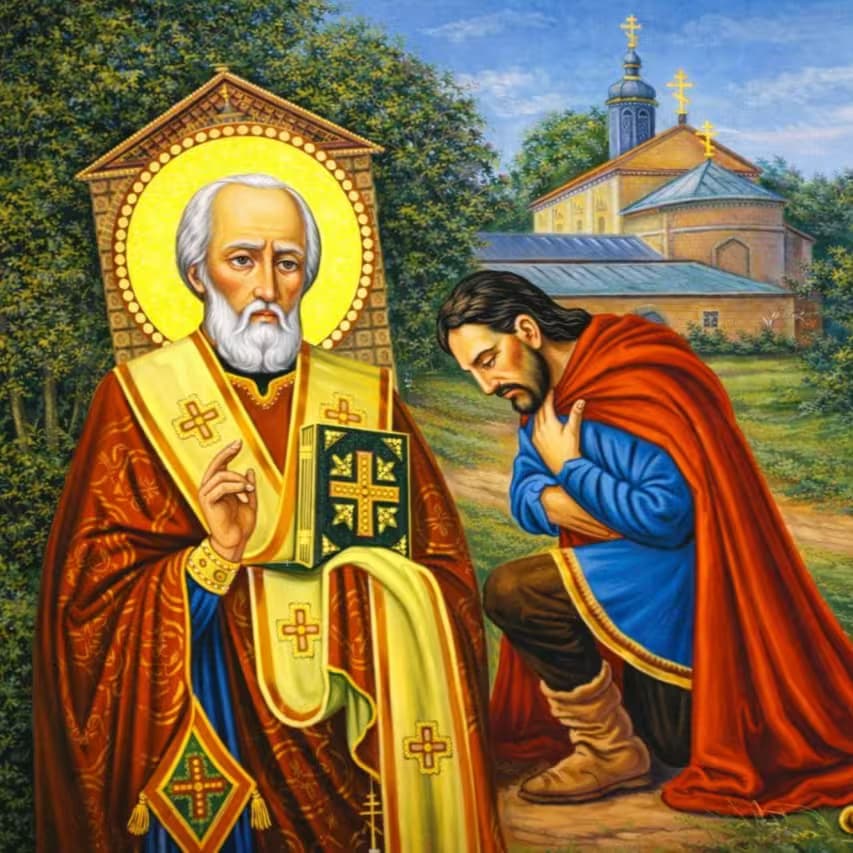
Prince Danylo Romanovych goes to Zhydychyn to bow to the icon of Saint Nicholas.
The first written record of the monastery appears in the Galician-Volhynian (Hypatian) Chronicle under 1227: Prince Danylo Romanovych came to Zhydychyn to venerate the miraculous icon of Saint Nicholas. The abbey was already large and renowned. The wonder-working icon was kept here until the First World War; today the St. Nicholas church holds a venerated copy with a particle of the saint's relics.
Archimandrite Status
Zhydychyn Monastery receives the status of Archimandrite.
In the 14th century the abbey was elevated to the rank of archimandrite — one of the highest distinctions among Orthodox monasteries, reflecting its autonomy and importance in the church life of Volhynia.
Miracle of the Icon of Nicholas
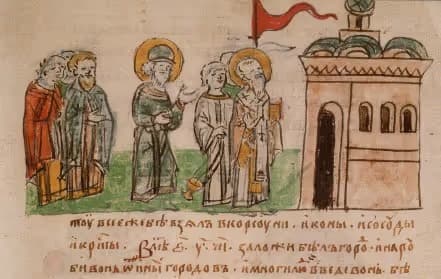
Miracle of the icon of Nicholas the Wonderworker in Lukoml.
The fame of the wonder-working icon of Saint Nicholas the Wonderworker spread far beyond Volhynia. A miracle associated with the icon, manifested in the town of Lukoml, reinforced the abbey's standing as a spiritual centre of the region and drew pilgrims.
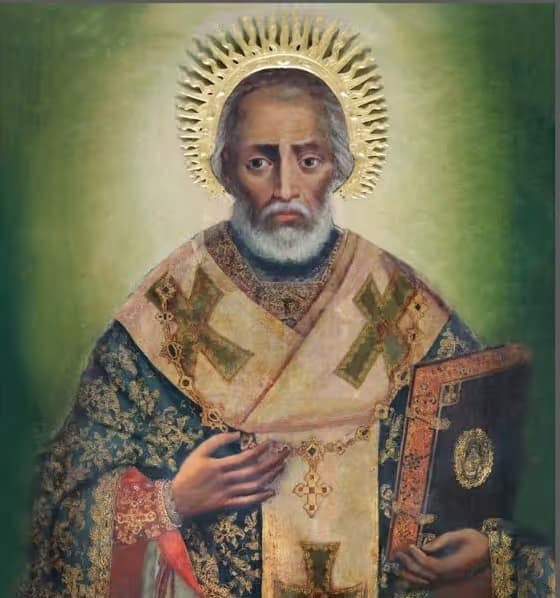
Lavra Status
According to an inscription in a handwritten Gospel, the monastery is named Lavra in Zhydychyn.
An inscription in a handwritten Gospel refers to the abbey as a Lavra — an honorary title reserved for the largest and most important monasteries — attesting to Zhydychyn's high standing among the Orthodox monasteries of Rus at the end of the 15th century.
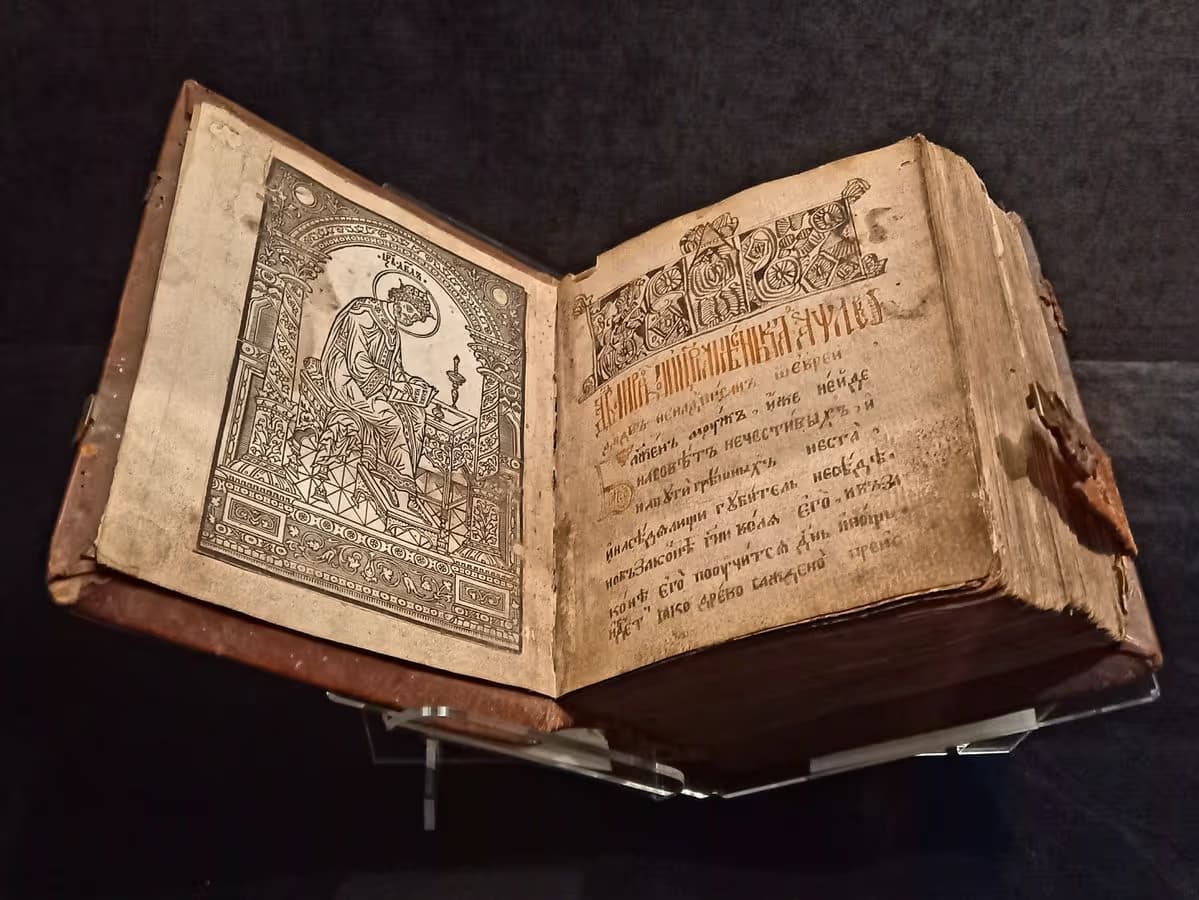
Tatar Attack
Zhydychyn Monastery is burned by Crimean Tatars.
In 1496 (some sources say 1495) the monastery was destroyed by Crimean Tatars. It was soon restored at the expense of the local Orthodox nobility — evidence of its deep roots in the religious and civic life of Volhynia.
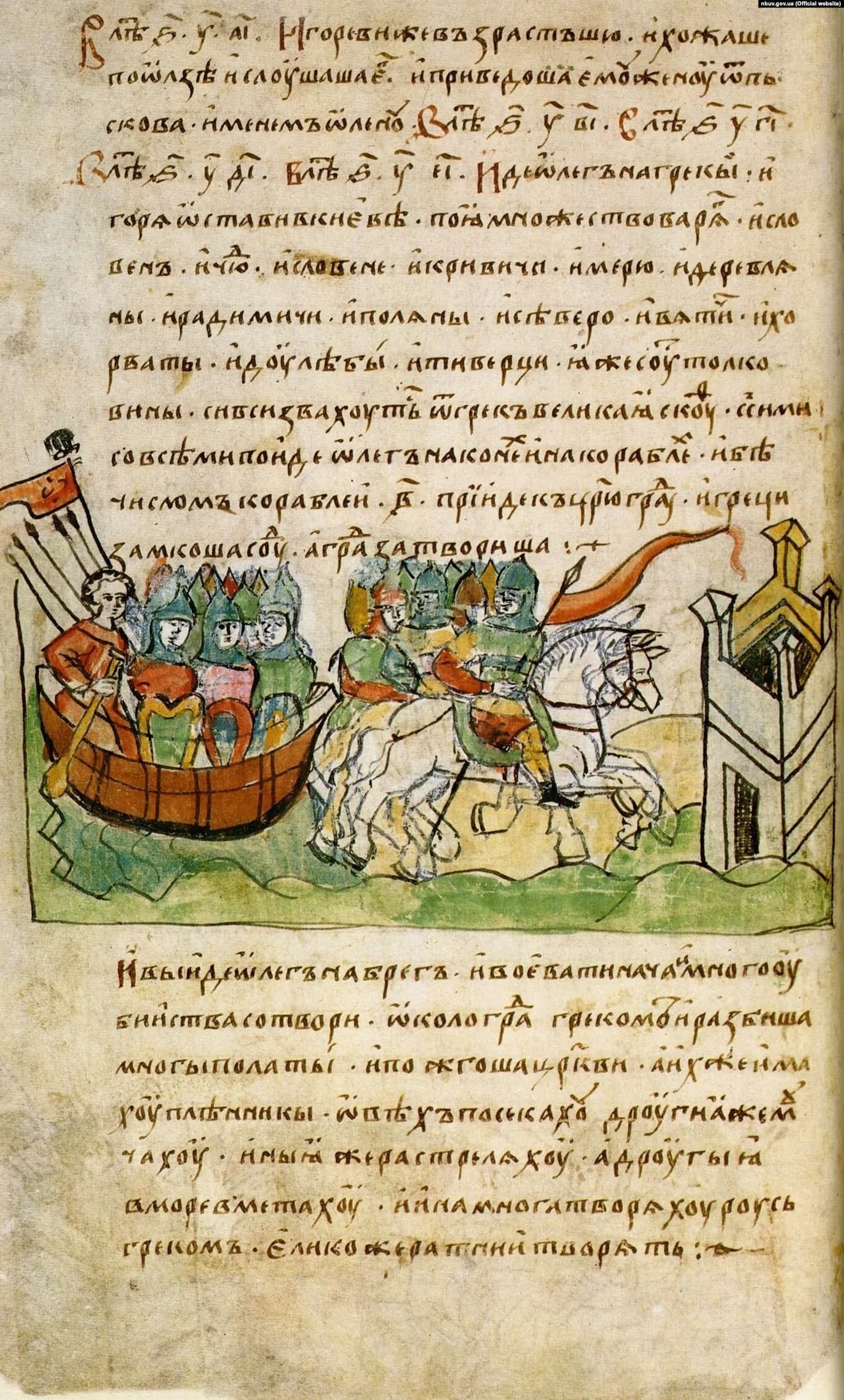
Stone Church
Construction of a stone church in Zhydychyn at the expense of Prince Kostiantyn Ostrozky.
Under the patronage of Prince Kostiantyn Ostrozky, who received the monastery for life tenure as early as 1507, the abbey became one of the wealthiest in Volhynia. A stone church was built in this period. By the early 17th century Zhydychyn was considered second only to the Kyiv Pechersk Lavra in wealth and importance.
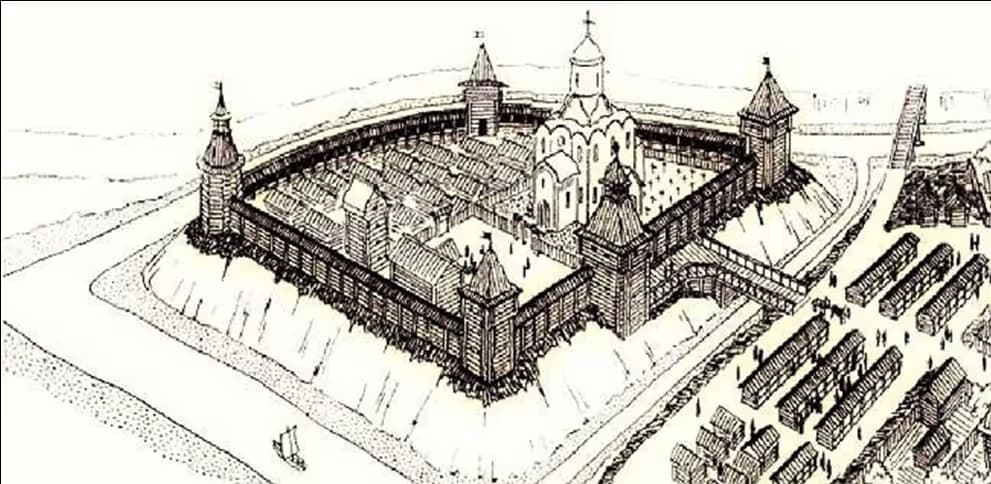
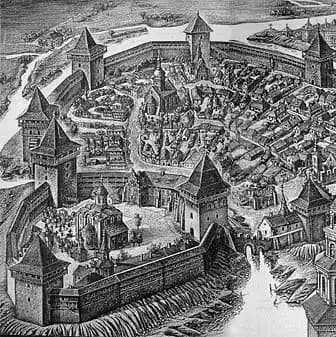
Archimandrite Tower
Zhydychyn Monastery maintains the Archimandrite Tower of Lutsk Castle.
The Archimandrite Tower of Lutsk Castle was assigned to the monastery: the abbey helped maintain one of the region's key fortifications. This attests to Zhydychyn's civic and defensive significance, not only its spiritual role, in medieval Volhynia.
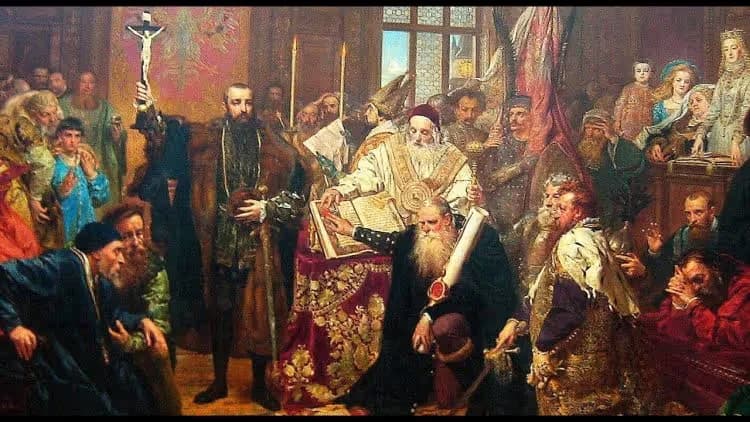
Uniate Confession
Forced change of confessional affiliation.
Amid religious conflict the abbey underwent a forced change of confession. Archimandrite Gedeon Balaban firmly defended Orthodoxy and resisted the Union; after his death the monastery passed to a Uniate archimandrite and came under the care of the Basilian monks.
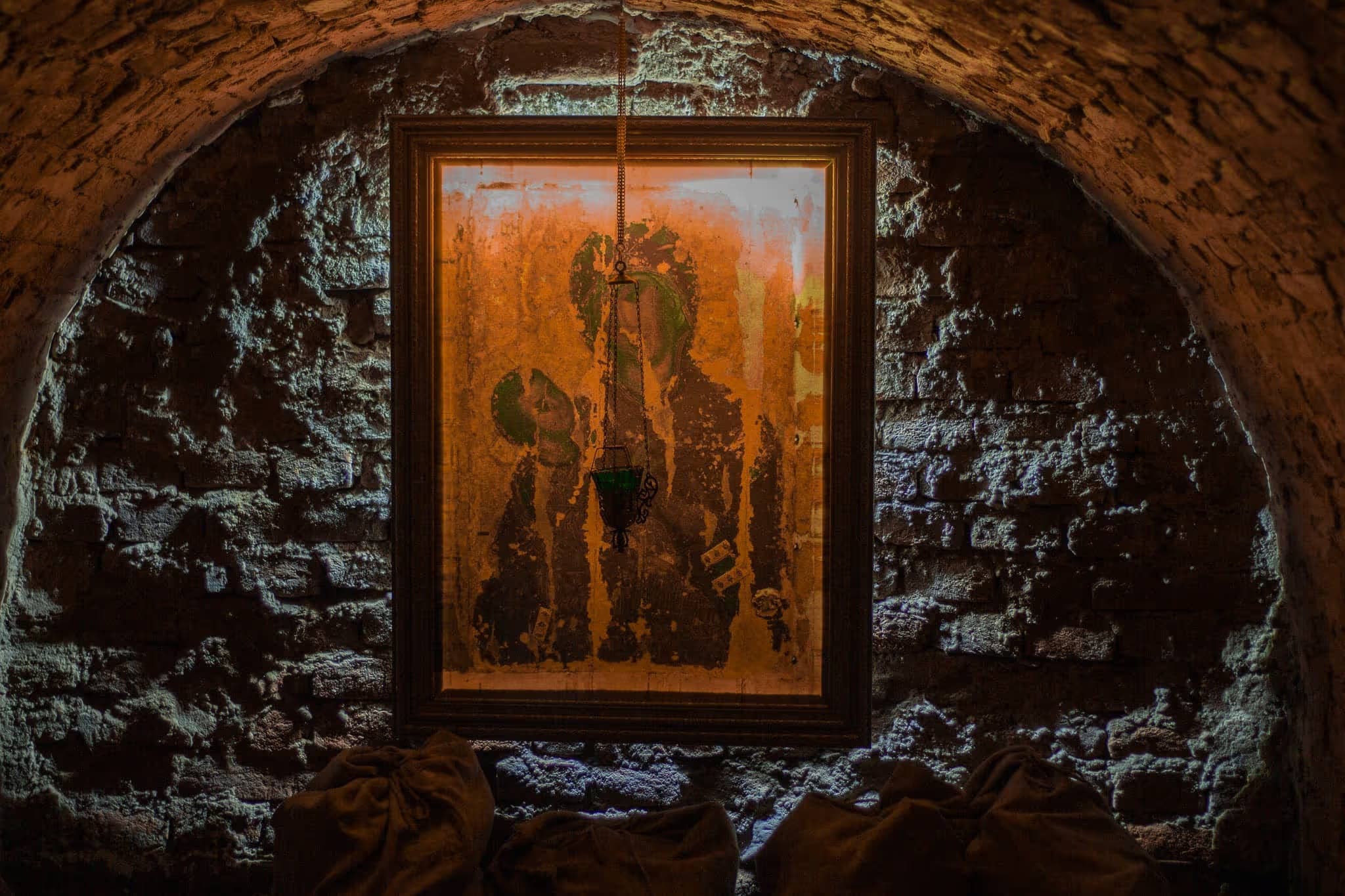
Kholm Icon in Zhydychyn
The miraculous icon of the Kholm Mother of God is kept in the dungeons of the Zhydychyn monastery.
For a time the miraculous icon of the Kholm Mother of God — one of the most venerated shrines of Ukrainian Orthodoxy — was kept in the dungeons of Zhydychyn Monastery, underscoring the abbey's role as a secure refuge and spiritual centre in troubled times.
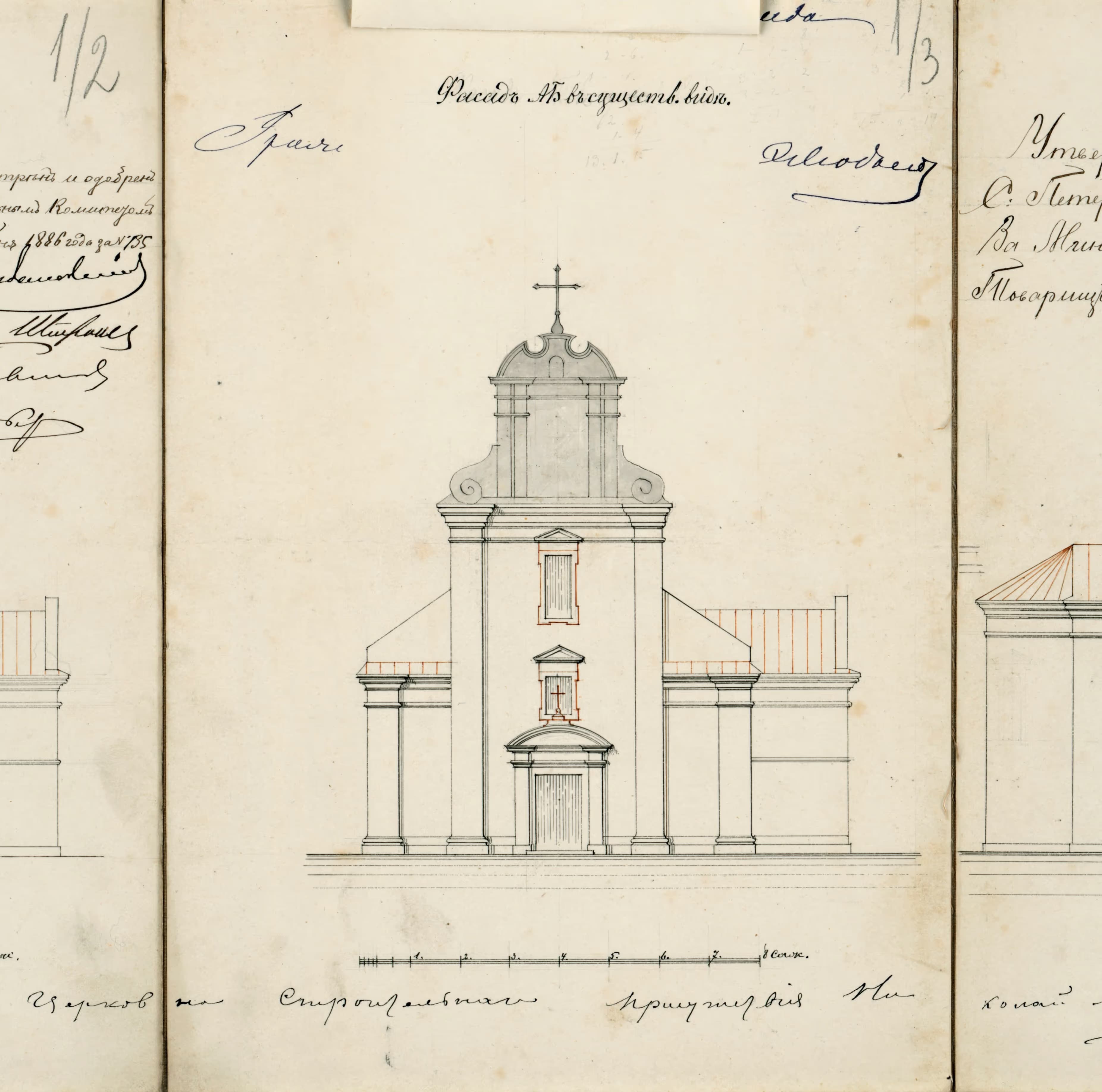
Great Construction
Expansion of the architectural complex of the monastery by the Bishop of Kholm, Yosyp Levytsky.
Through the efforts of Yosyp Levytsky, Bishop of Kholm, large-scale construction unfolded. The main St. Nicholas church — a three-nave Baroque basilica — together with the bell tower formed the architectural core of the abbey that survives to this day.
Trappist Monks
Settlement of Trappist monks in the monastery.
Trappist monks — members of the strict Catholic monastic order — settled in the monastery. Their presence reflects the abbey's complex confessional history at the turn of the 18th-19th centuries, when Volhynia had fallen under foreign rule.
Liquidation of the Monastery
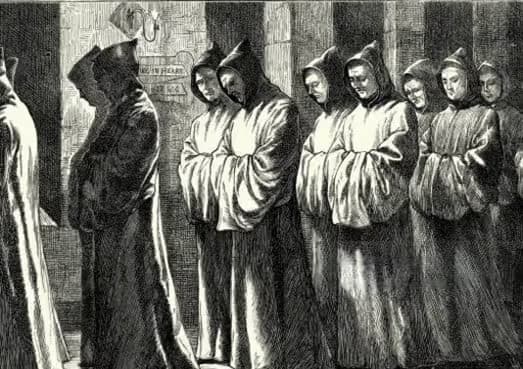
By tsarist decree, the monastery ceased to exist, was disbanded, and part of the buildings and walls were dismantled.
After the arrival of Russian rule and pressure on the church, the abbey declined: the monastery was disbanded, part of its buildings and walls were dismantled, and the bricks were carted to nearby Kivertsi to build a railway station. The buildings stood in ruins for over half a century.
House Church
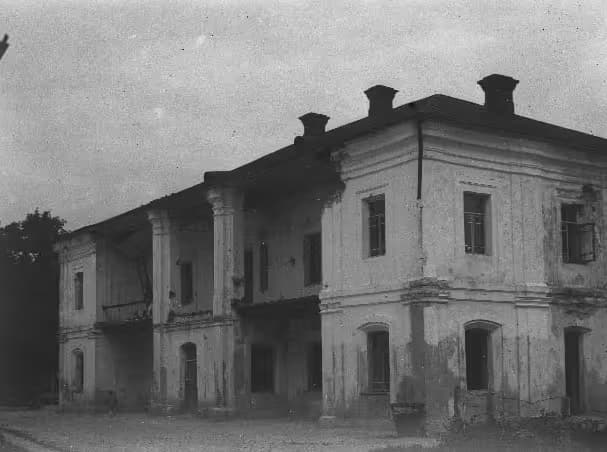
Consecration of the house church in honor of the Vilnius martyrs Anthony, John, and Eustathius by Archbishop Modest.
Archbishop Modest consecrated a house church in honour of the Vilnius martyrs Anthony, John and Eustathius — one of the first signs of monastic life returning after decades of decline.
Scripture Translation
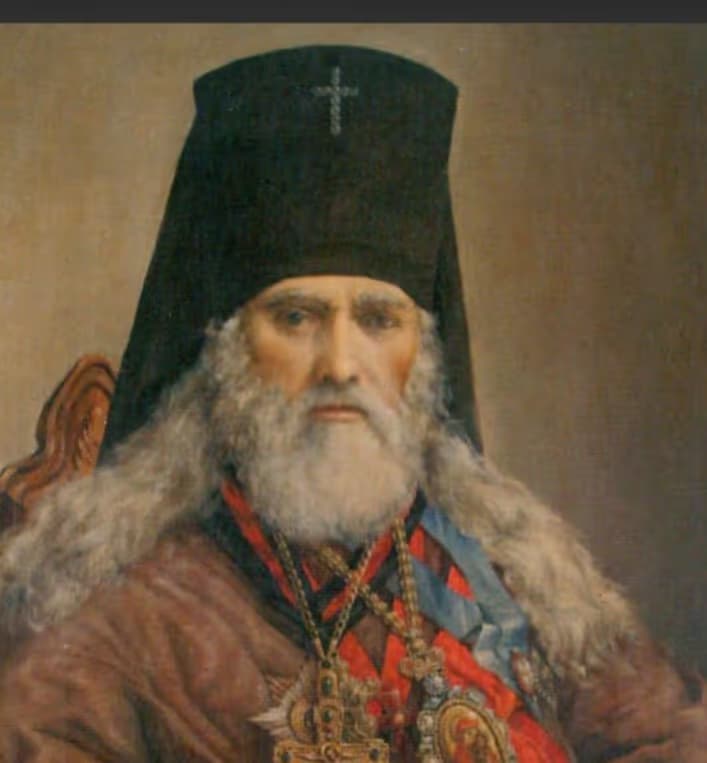
Commission for the translation of Holy Scripture into Ukrainian under the leadership of Metropolitan Polikarp Sikorsky.
A commission for translating Holy Scripture into Ukrainian worked within the abbey under Metropolitan Polikarp (Sikorsky). Thus Zhydychyn took part in the formation of the Ukrainian liturgical and biblical word.
Rebirth
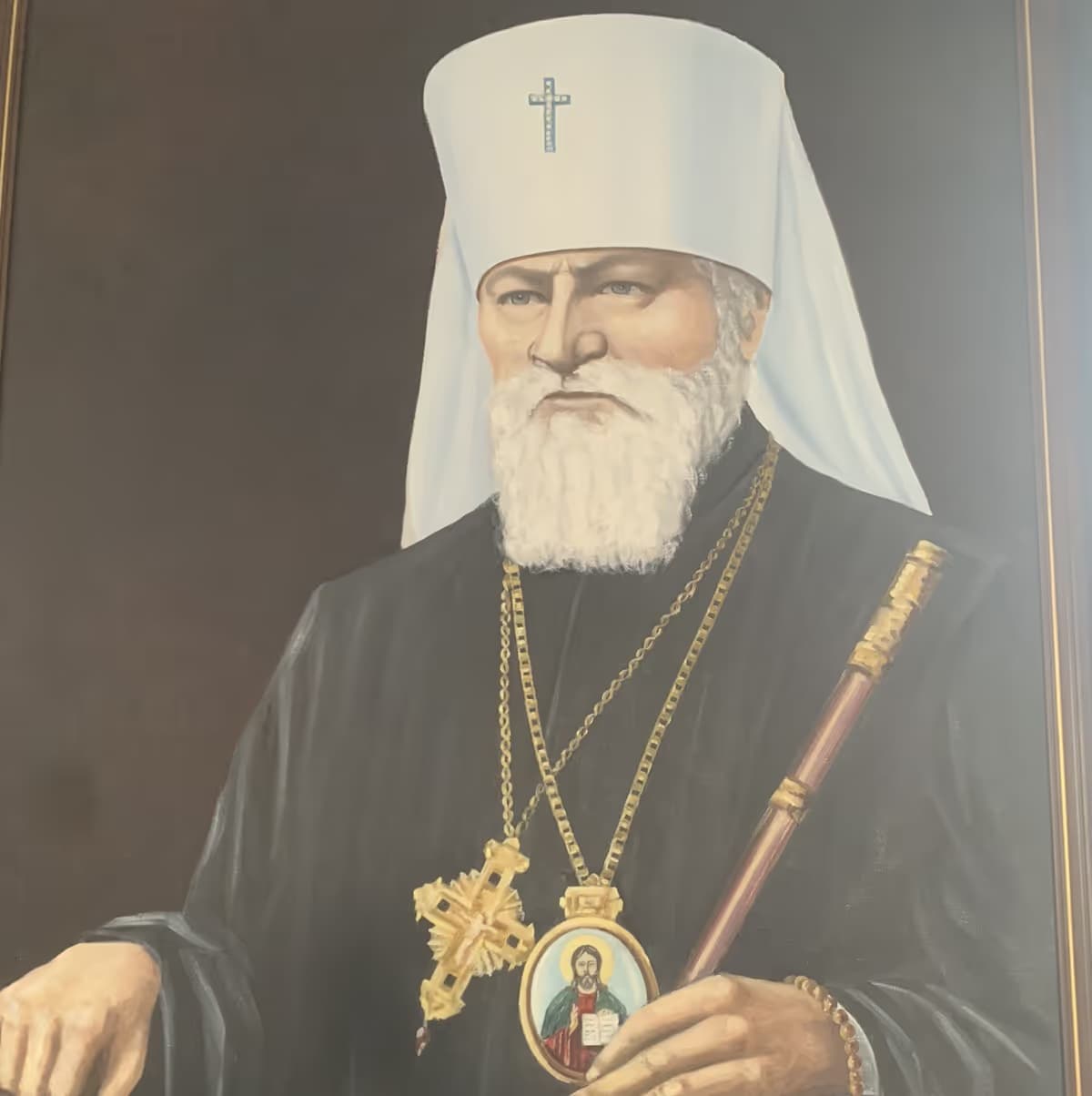
The beginning of the modern history of the Zhydychyn Monastery.
The modern history of Zhydychyn Monastery began: the abbey was revived, restoring its role as the spiritual heart of Volhynia. Since then churches have been rebuilt, ancient shrines rediscovered, and sketes established.
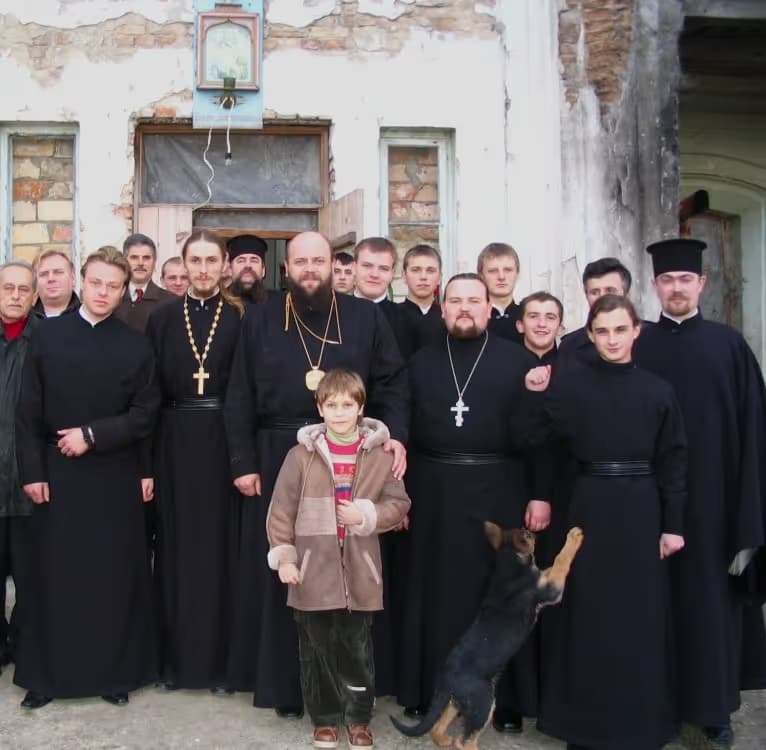
Church of Nicholas Sviatosha
Consecration of the house church in honor of the Venerable Nicholas Sviatosha, Prince of Lutsk.
A house church was consecrated in honour of the Venerable Nicholas Sviatosha, Prince of Lutsk, whose name is closely tied to the land of Volhynia. The new church became part of the abbey's revived liturgical life.
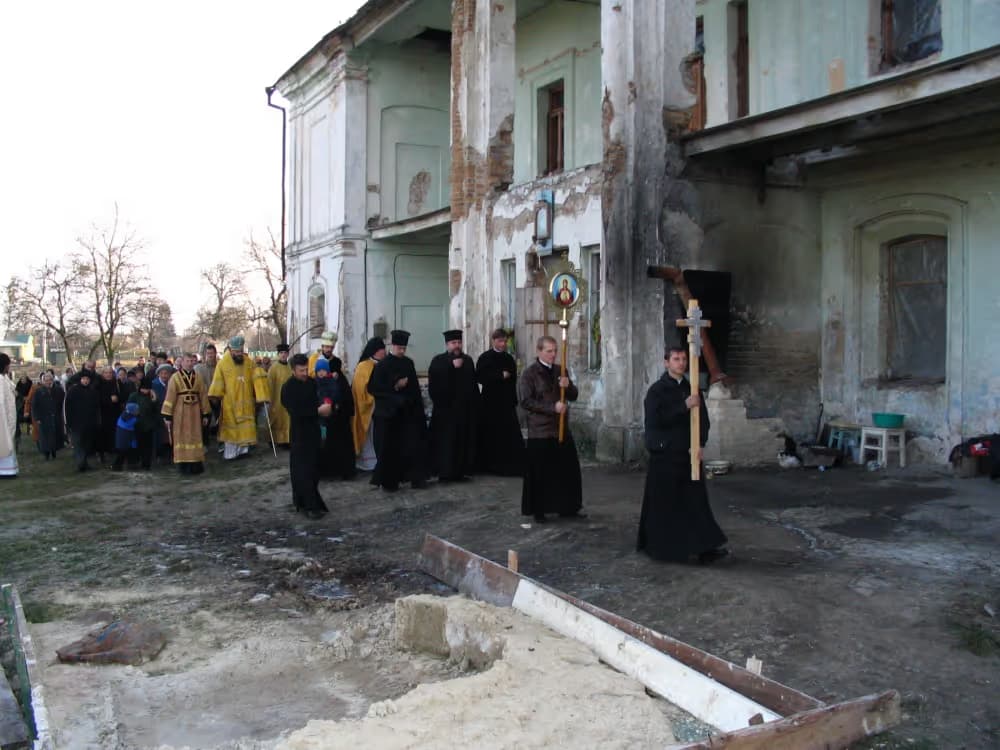
Holy Spirit Skete
Consecration of the Holy Spirit male skete in the village of Zhydychyn.
In the village of Zhydychyn the Holy Spirit male skete was consecrated — a place of solitary prayer and asceticism that extended the abbey's spiritual space beyond the main complex.
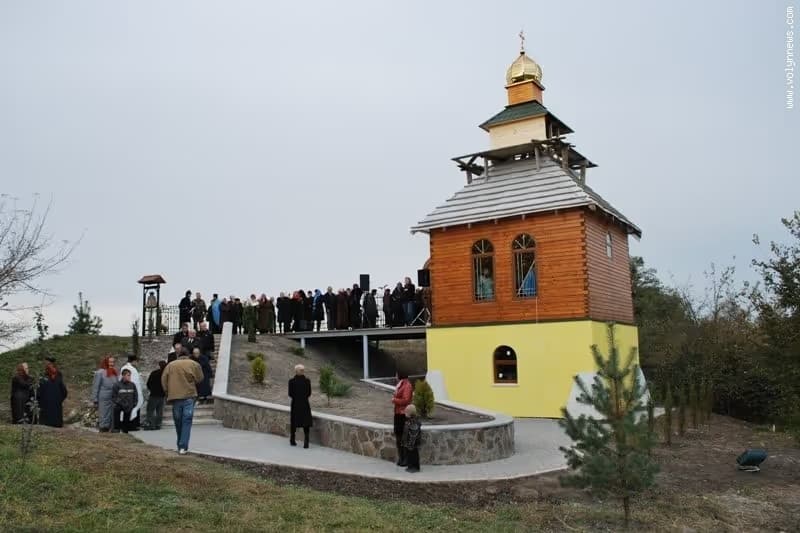
Peter and Paul Skete
Consecration of the Peter and Paul female skete in the village of Lyplyany.
In the village of Lyplyany the Peter and Paul female skete was consecrated. Together with the Holy Spirit male skete it formed a network of centres of monastic life around the Zhydychyn abbey.
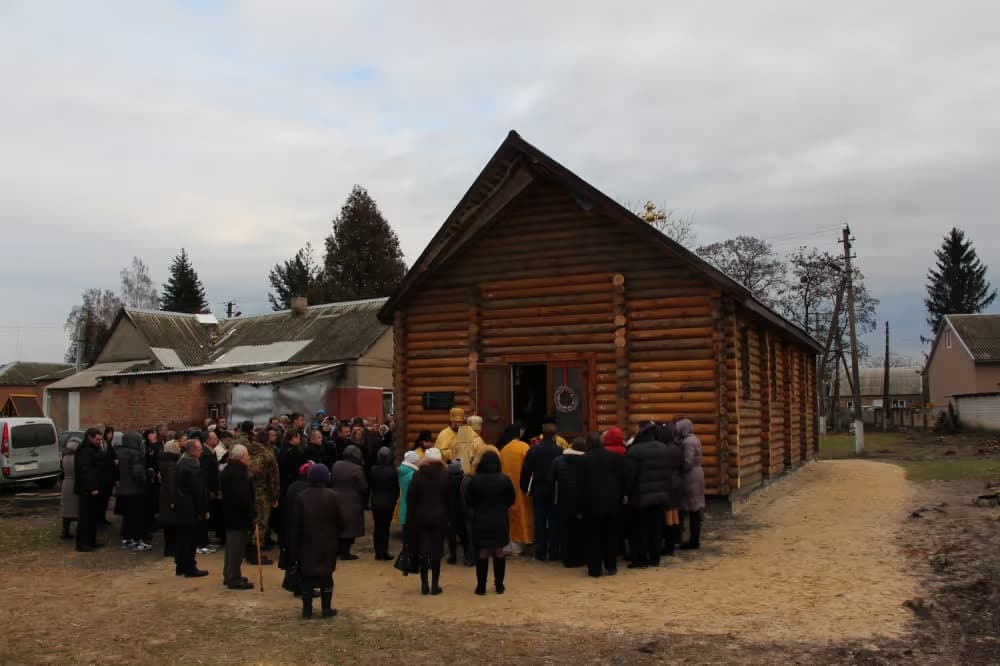
Archimandrite
Restoration of the status of Archimandrite.
The monastery was restored to its historic rank of archimandrite, first granted back in the 14th century. The restoration symbolically affirmed the continuity of Zhydychyn's thousand-year tradition.
Transition to OCU
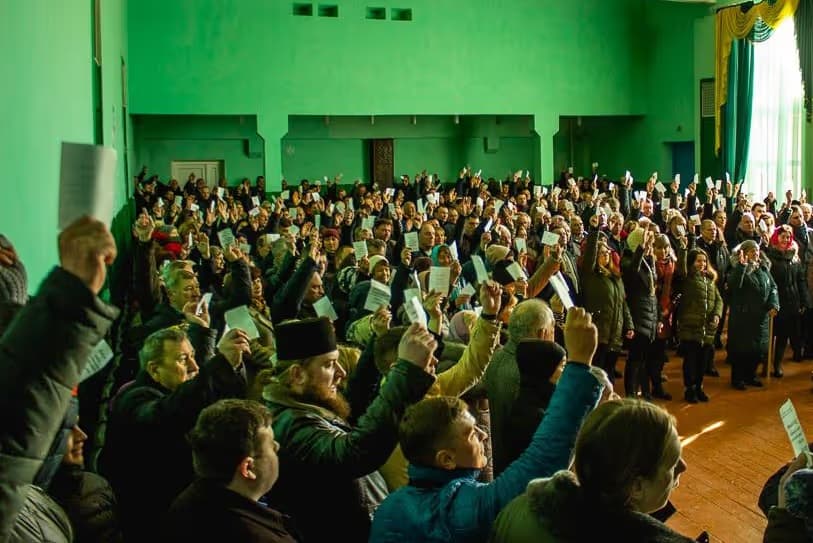
The religious community of Zhydychyn joined the OCU. The temple and monastery complex begin to function as a single spiritual center.
The religious community of Zhydychyn joined the Orthodox Church of Ukraine (OCU). The church and monastery complex began to operate as a single spiritual centre of the OCU Volhynian eparchy.
Crypt
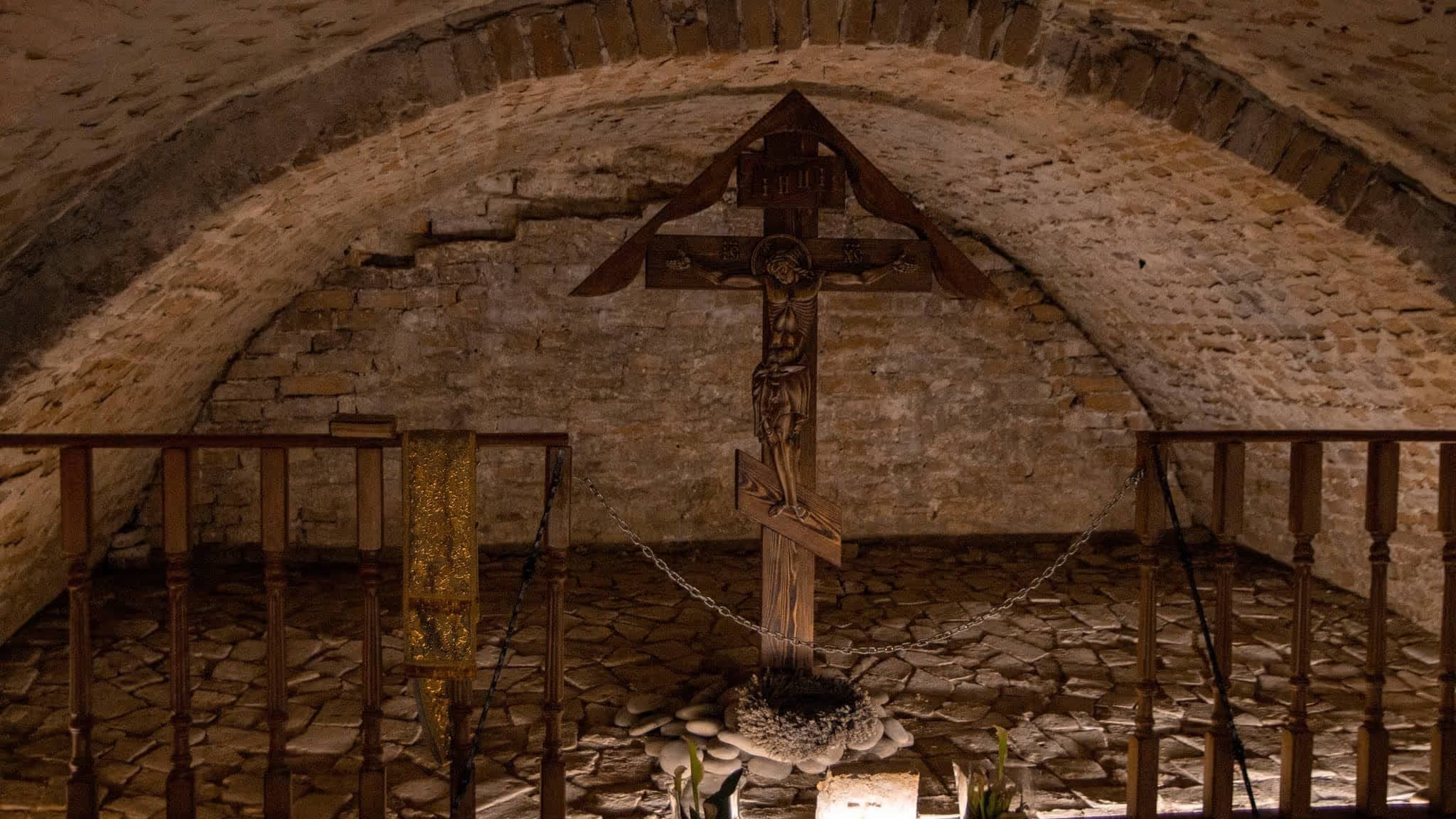
Discovery of the Monastery crypt on the Feast of the Presentation of the Lord.
On the Feast of the Presentation of the Lord, an ancient monastic crypt — buried back in Soviet times — was discovered beneath the main hall of the St. Nicholas church. The find became material evidence of the abbey's centuries-old history.
Visit of the Primate of the Church
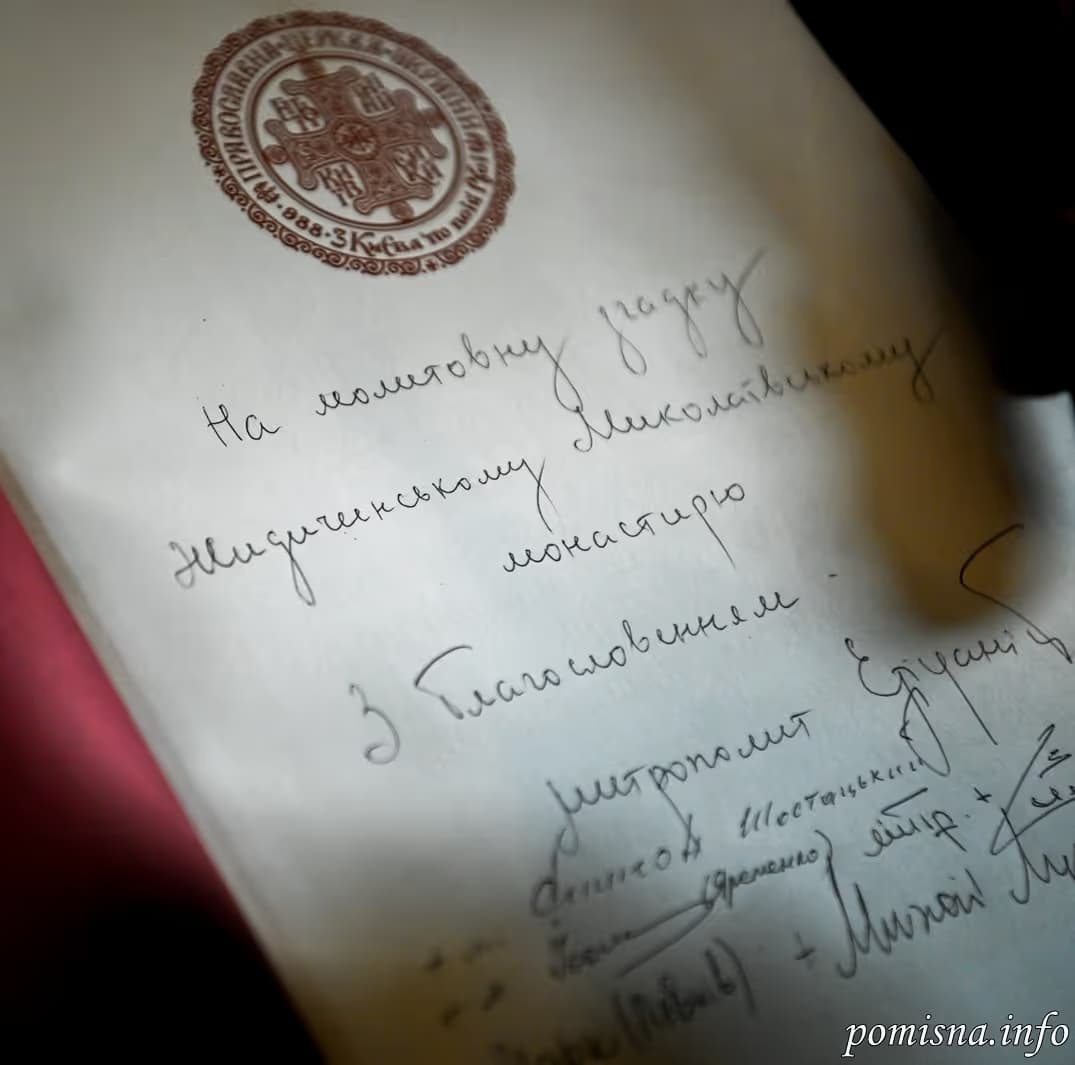
His Beatitude Metropolitan Epiphanius of Kyiv and All Ukraine visited the Zhydychyn Monastery for the first time.
In the year the abbey marked the 1,050th anniversary of its first mention, Zhydychyn was visited for the first time by His Beatitude Metropolitan Epiphanius of Kyiv and All Ukraine — an event affirming the monastery's renewed importance in the life of the Ukrainian Church.
Frequently Asked Questions
How old is the Zhydychyn Monastery?+
According to Basilian chronicles the abbey is attested from 975 — over 1,050 years old. Its first written mention in a chronicle dates to 1227, when Prince Danylo of Halych came to the monastery.
What is the oldest monastery in Ukraine?+
The St. Nicholas Zhydychyn Monastery is considered one of the oldest monasteries in Ukraine: it is mentioned under the year 975, before the official Baptism of Rus in 988.
Who founded the Zhydychyn Monastery and when?+
History has not preserved the founder’s name. The earliest mention in 975 is linked to Archimandrite Anekt; the monastery likely belonged to the Moravian eparchy whose boundary ran along the Styr River.
Where is the miraculous icon of Saint Nicholas the Wonderworker kept?+
A venerated copy of the wonder-working icon, with a particle of the saint’s relics, is kept in the main St. Nicholas church. The original image, venerated by Prince Danylo, disappeared before the First World War.
How can I visit the Zhydychyn Monastery?+
The monastery is located in the village of Zhydychyn, a few kilometres from Lutsk. Information for pilgrims, the service schedule and excursion booking are on the “For Pilgrims” page.